Dental Implants
Jan 5, 2026 8:03 AM
Wisdom teeth are one of the most common reasons people feel pain, pressure, or confusion about their teeth.
Many patients ask the same questions:
What are wisdom teeth?
Why do they hurt?
Do they always need to be removed?
This guide explains everything in simple terms, so you can understand what’s happening and what your options are.
Wisdom teeth are the last set of molars that usually appear between the ages of 17 and 25.
Most people have four wisdom teeth—two on the top and two on the bottom—but some people have fewer, or none at all.
Thousands of years ago, humans needed these extra teeth to chew tough foods. Today, our jaws are often too small to fit them properly.
Wisdom teeth often cause problems because there isn’t enough space for them to come in normally.
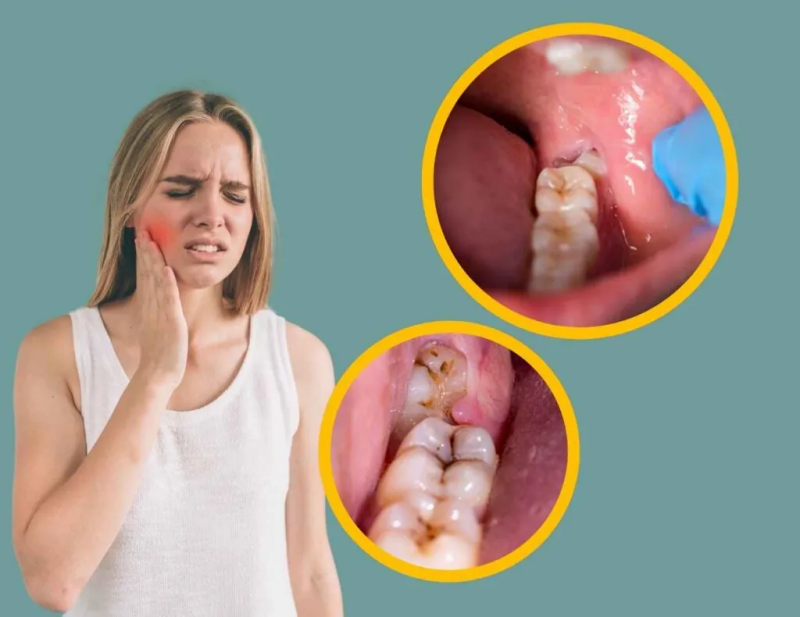
Common issues include:
Pain or pressure in the back of the mouth
Swollen or bleeding gums
Jaw pain or stiffness
Headaches or ear pain
Food getting stuck around the tooth
Infection
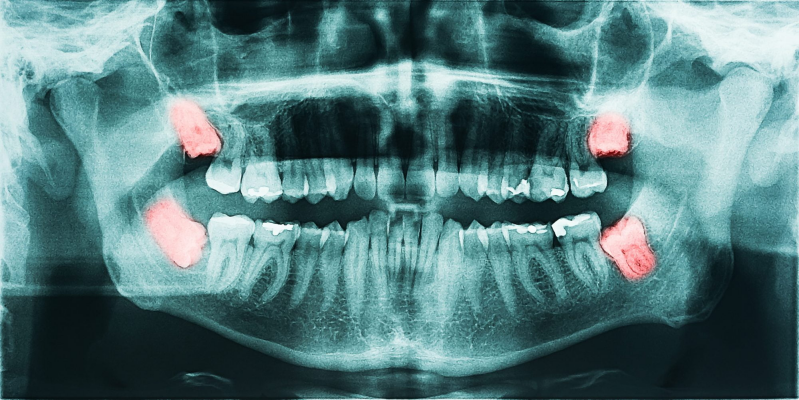
When a wisdom tooth cannot fully come in, it is called an impacted wisdom tooth. This can lead to repeated infections and discomfort.
No — not all wisdom teeth need to be removed.
Wisdom teeth may be kept if they are:
Fully erupted (completely out of the gums)
Easy to clean
Not causing pain or infection
Not damaging nearby teeth
However, removal is often recommended when wisdom teeth:
Are impacted
Cause repeated pain or swelling
Lead to infection
Push against other teeth
Are difficult to clean properly
A simple exam and X-ray can usually tell if removal is necessary.
This is one of the biggest fears patients have.
During the procedure, you should not feel pain. The area is numbed, and sedation options may be available if needed. Most patients describe the experience as much easier than expected.
After the procedure, some soreness and swelling are normal, but this is usually temporary and manageable with medication and proper care.
Recovery is different for everyone, but most patients feel much better within a few days.
What to expect:
Mild to moderate swelling for 2–3 days
Soft foods for a short time
Gradual return to normal activities
Helpful tips:
Use ice packs to reduce swelling
Rest and avoid heavy activity
Eat soft foods like yogurt, soup, and mashed potatoes
Follow your dentist’s instructions carefully
You should schedule an evaluation if you notice:
Pain in the back of your mouth
Swelling or redness around the gums
Bad taste or bad breath that doesn’t go away
Trouble opening your mouth fully
Even if you don’t feel pain, wisdom teeth should still be checked regularly, because problems can develop silently.
Wisdom teeth don’t always cause problems — but when they do, early evaluation makes everything easier.
Understanding your wisdom teeth helps you avoid pain, infection, and unnecessary stress.
If you’re unsure whether your wisdom teeth need attention, a simple checkup can give you clear answers and peace of mind.
We’re happy to explain your options and help you feel comfortable every step of the way.